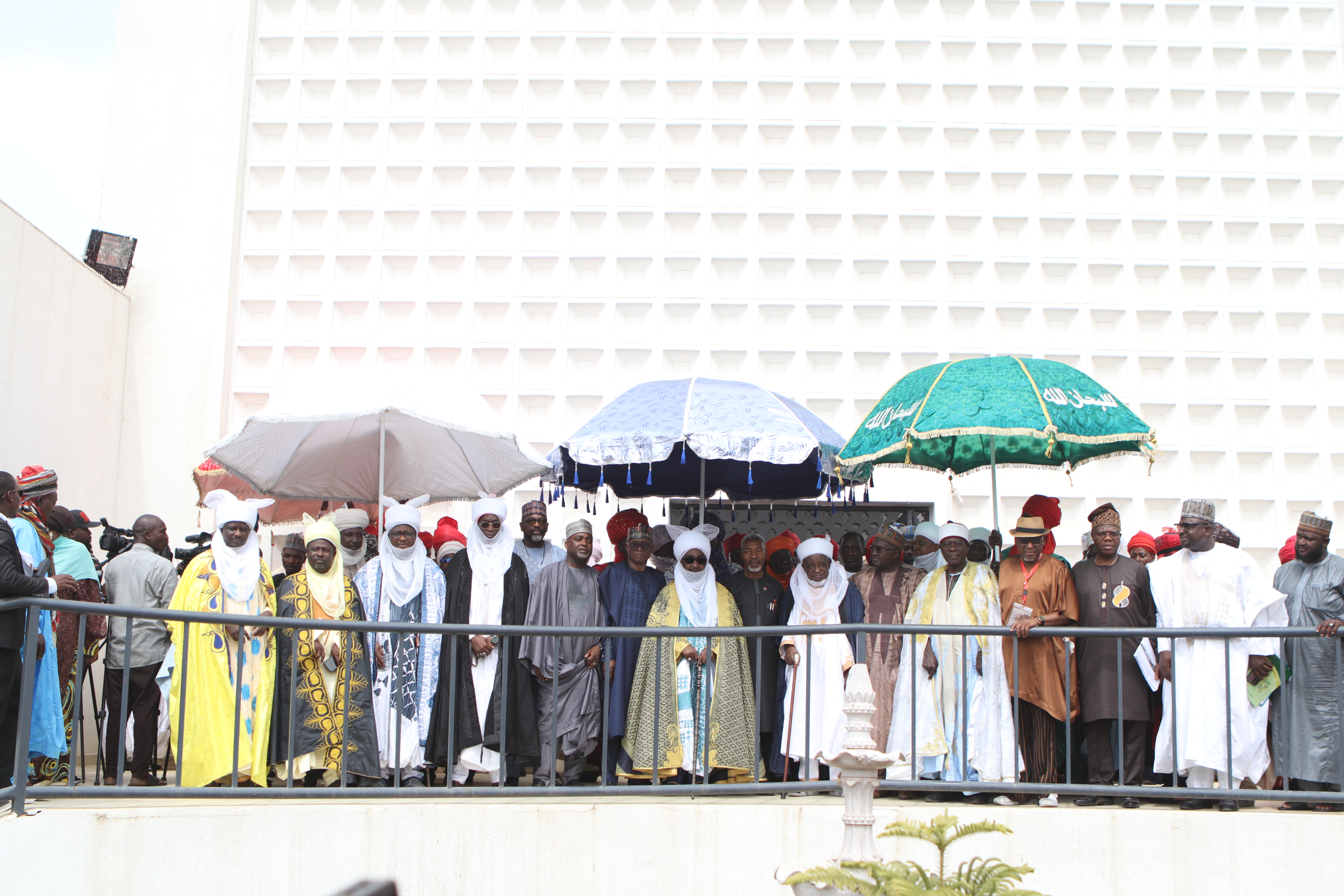
NIPR Holds Strategic Engagement with Traditional Rulers at 3rd NPRW in Kaduna
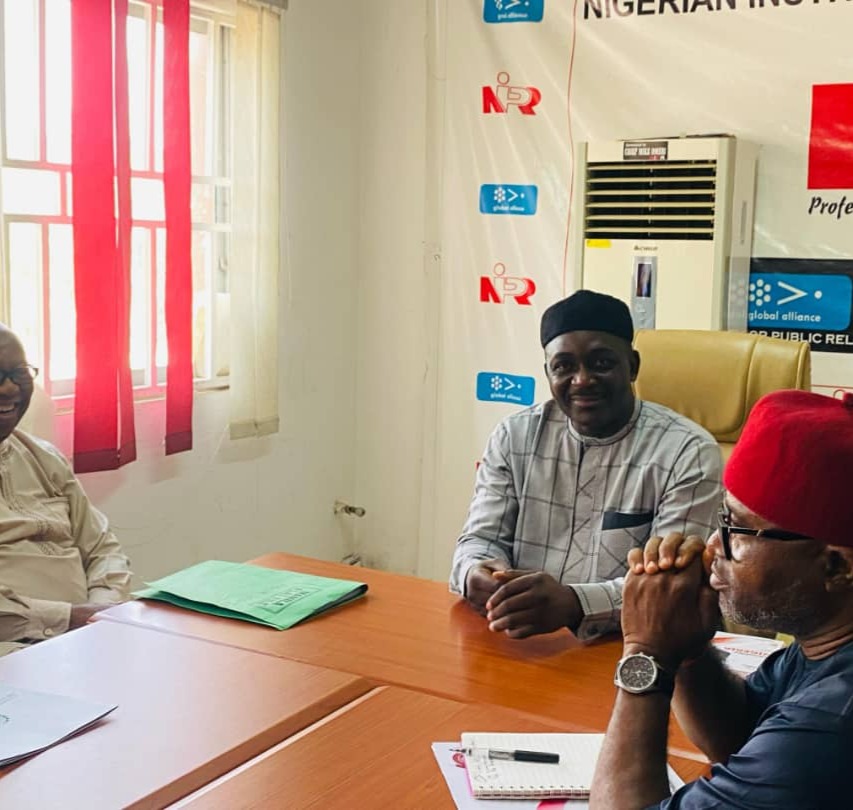
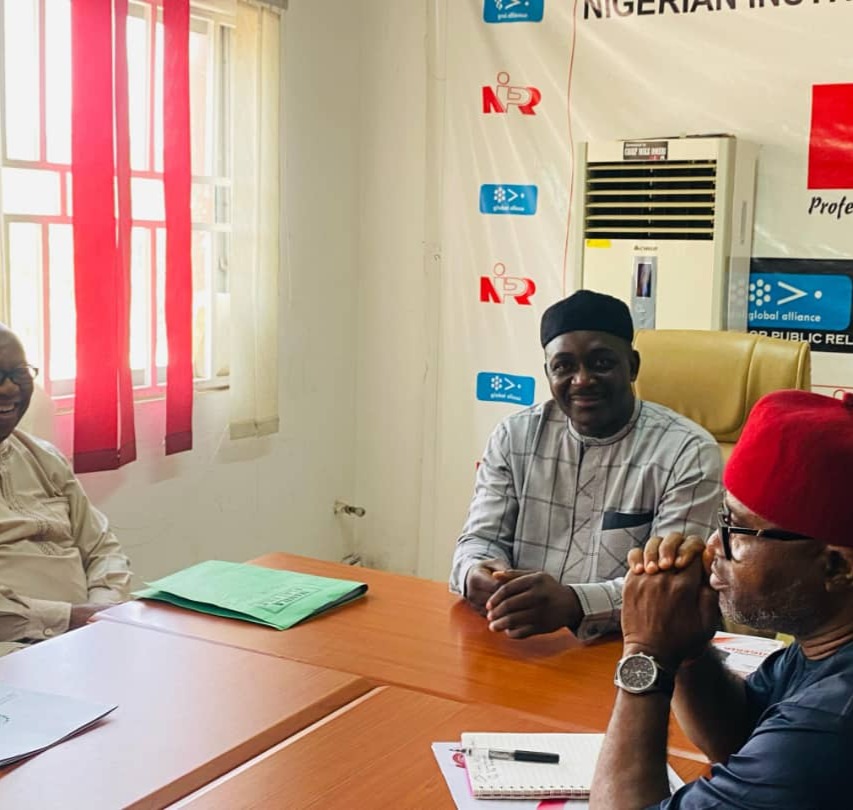
The Nigerian Institute of Public Relations (NIPR) has commenced the 3rd edition of Nigeria Public Relations Week (NPRW) 2026 in Kaduna with an interactive session with traditional rulers as a way of assisting them engage better in their various communities to enhance peace and security across the state.
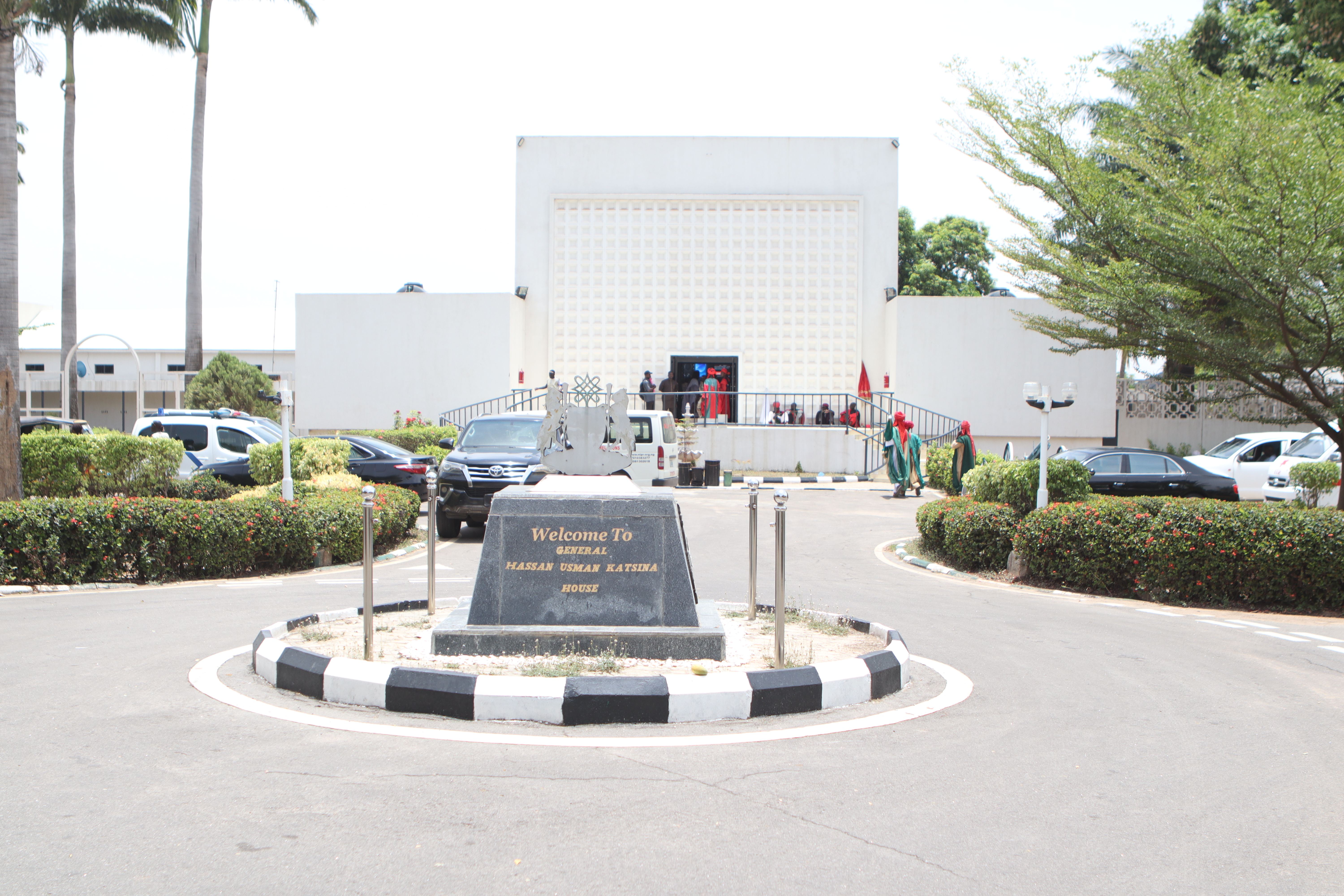
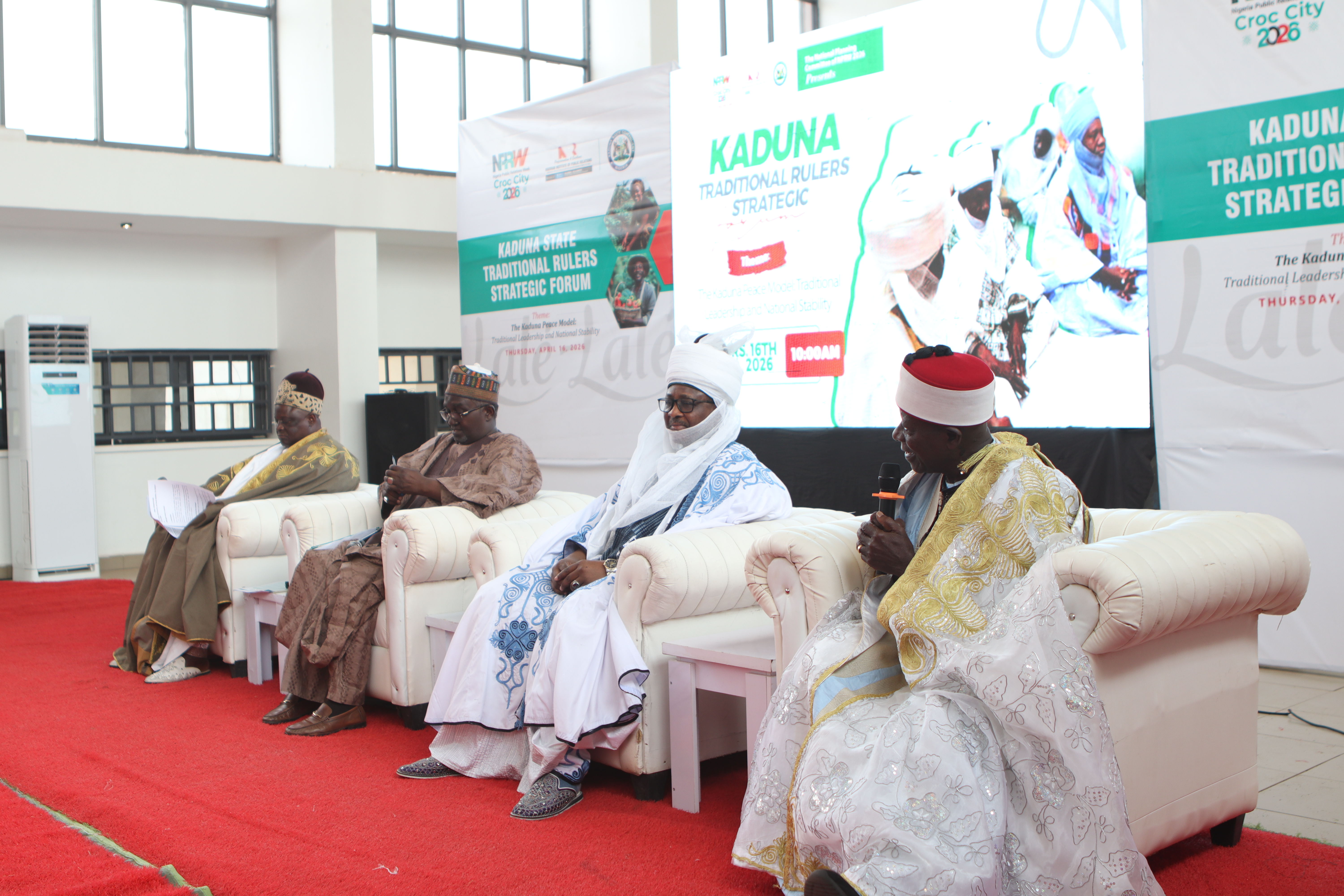
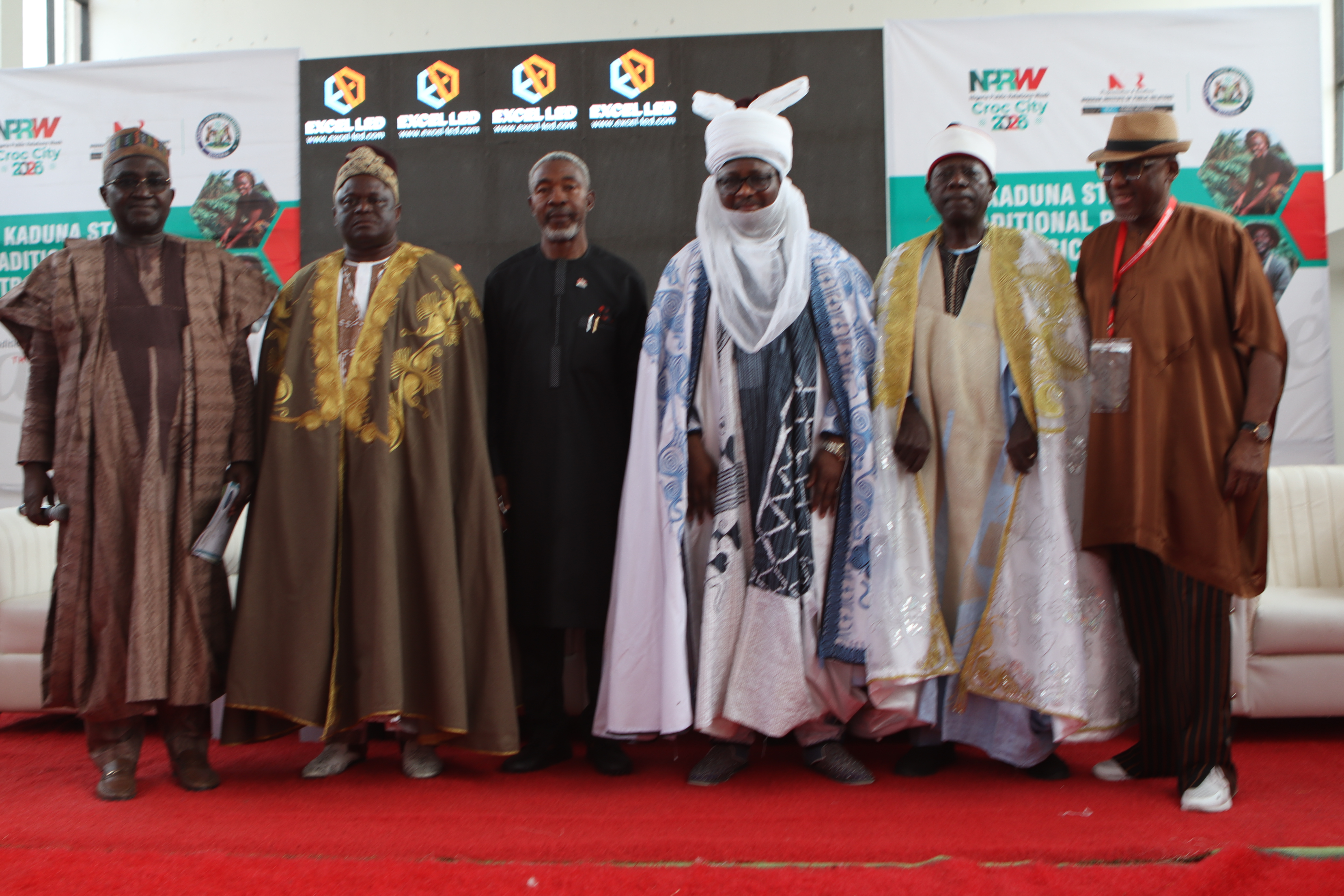
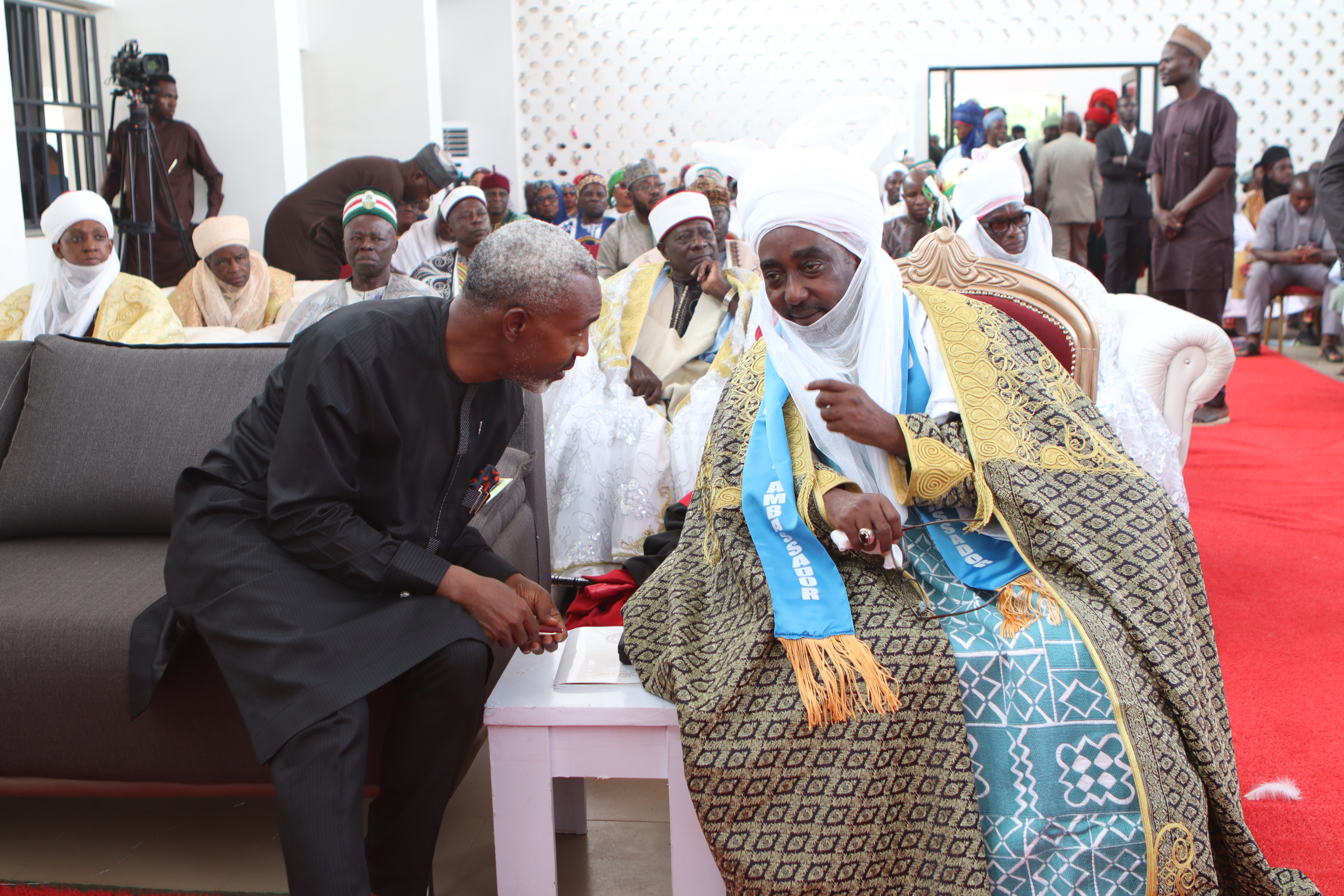
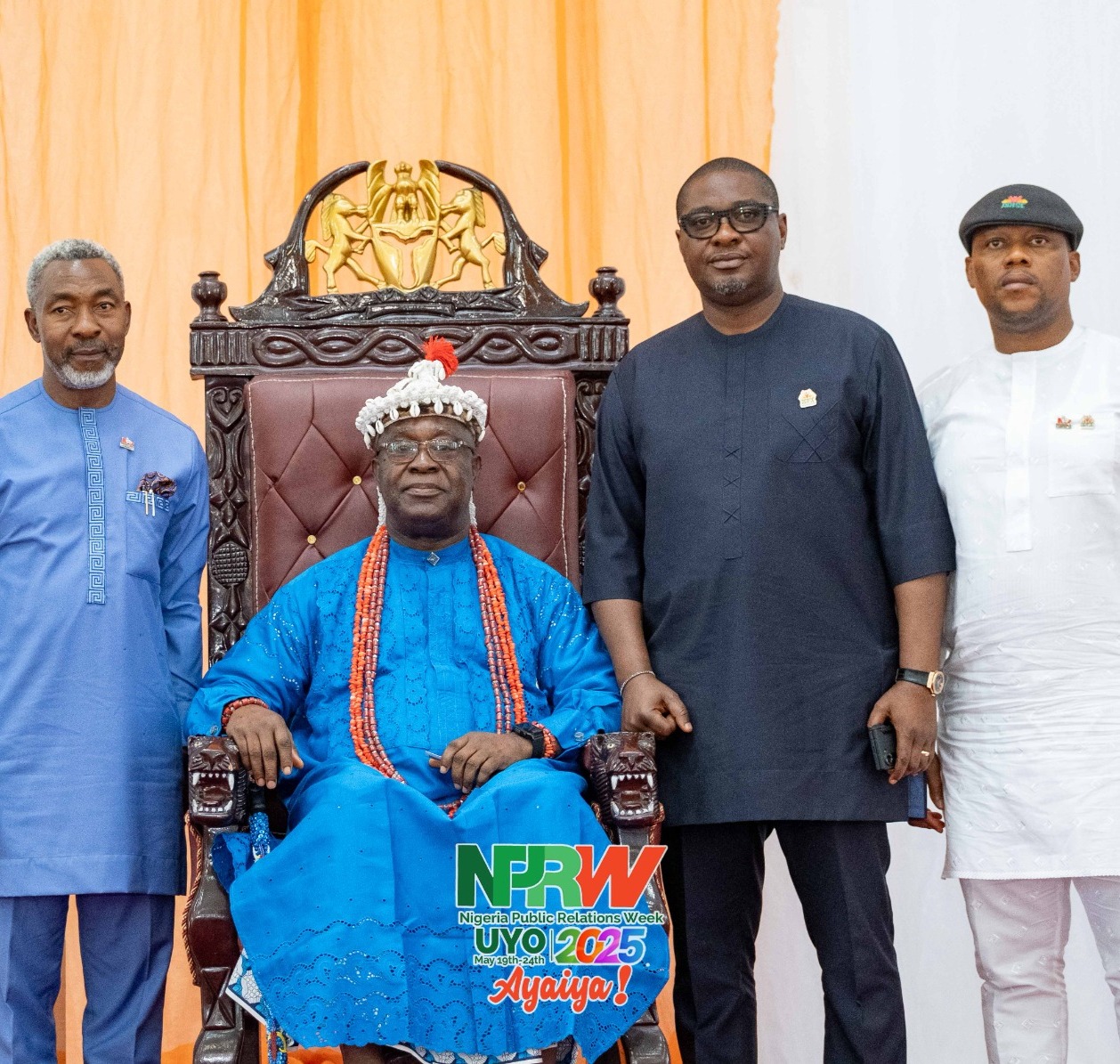
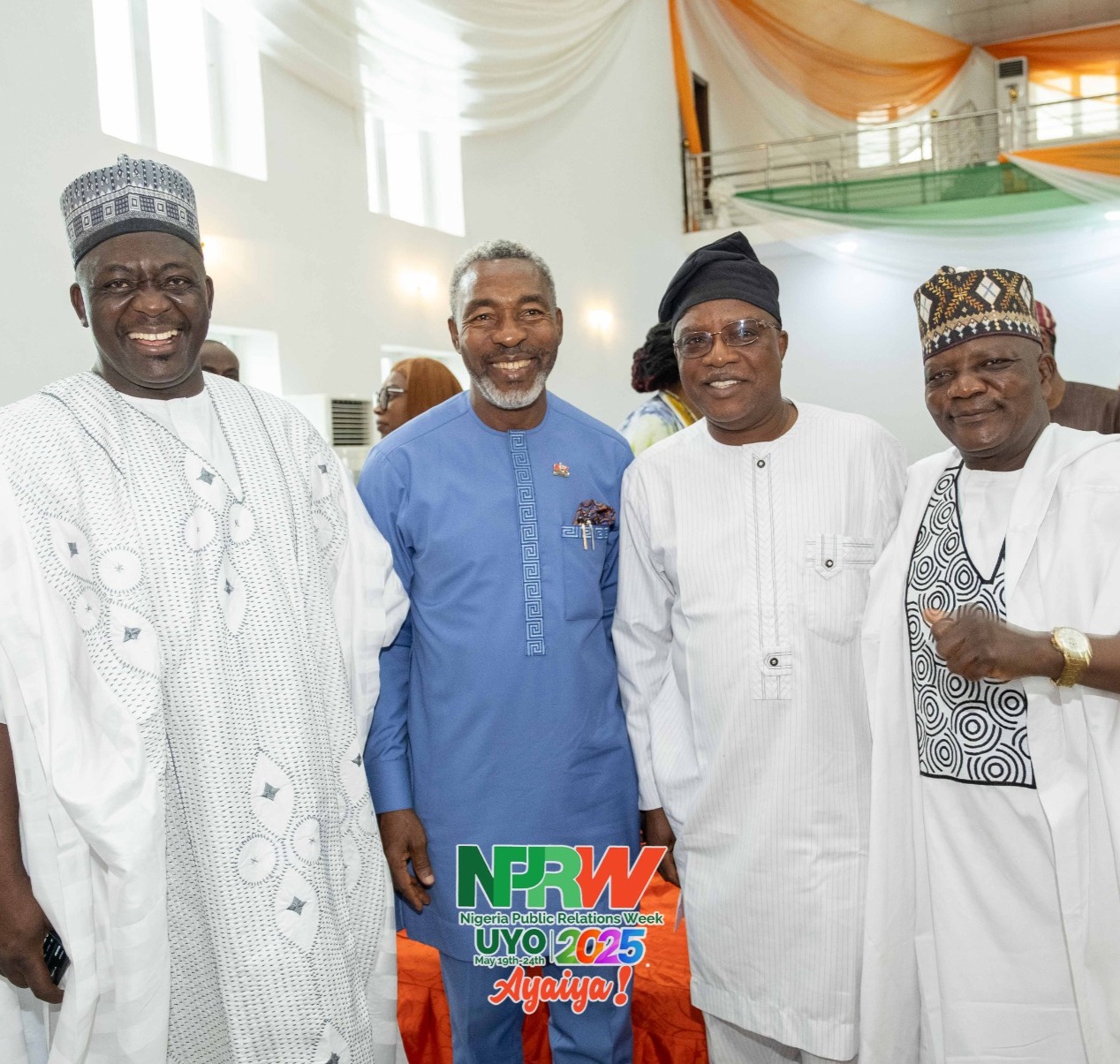
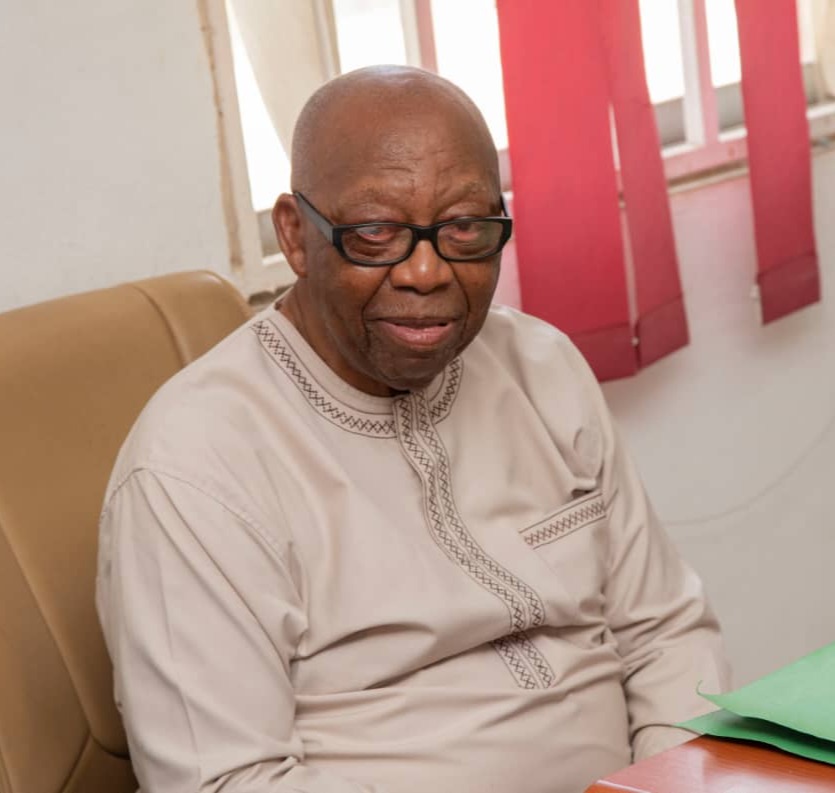
The interactive forum on Thursday, April 16 at State House, Kaduna brought together prominent traditional rulers, including Emir of Birnin Gwari, HRH Jibril Maigwari II, a Fellow of the Institute, Emir of Zazzau and Chairman Kaduna State Council of Traditional Rulers, HRH Amb. Ahmad Nuhu Bamalli and several others.
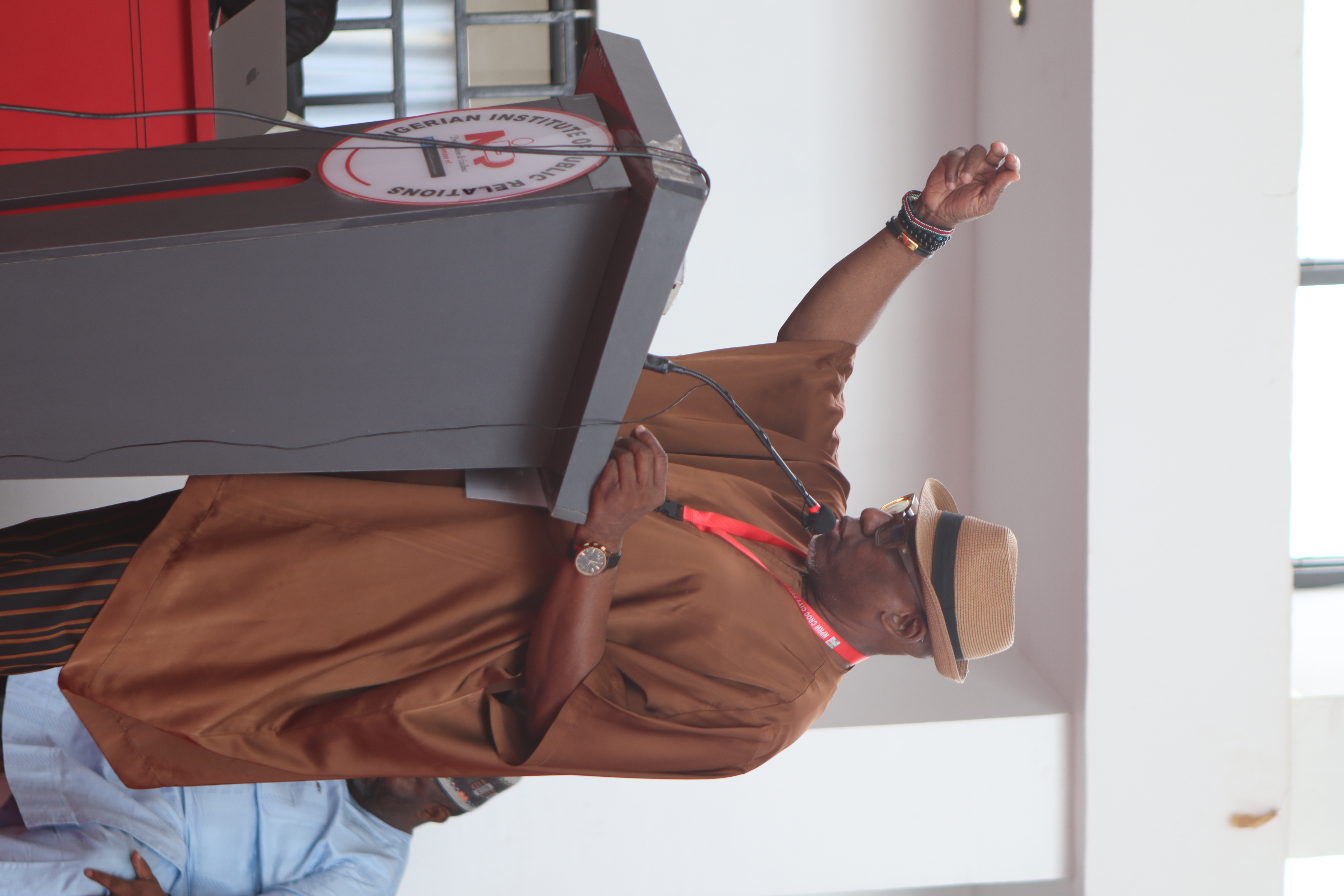
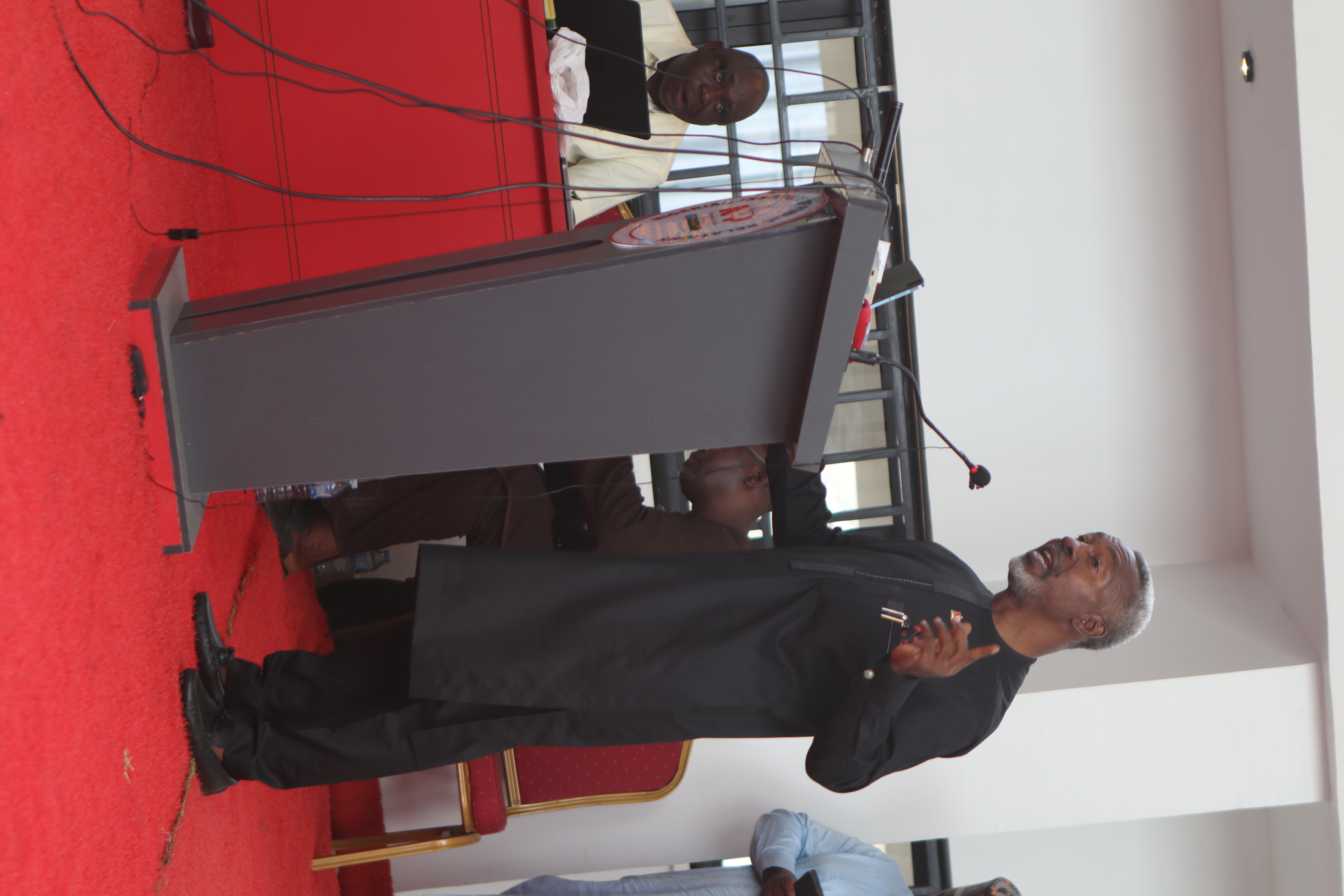
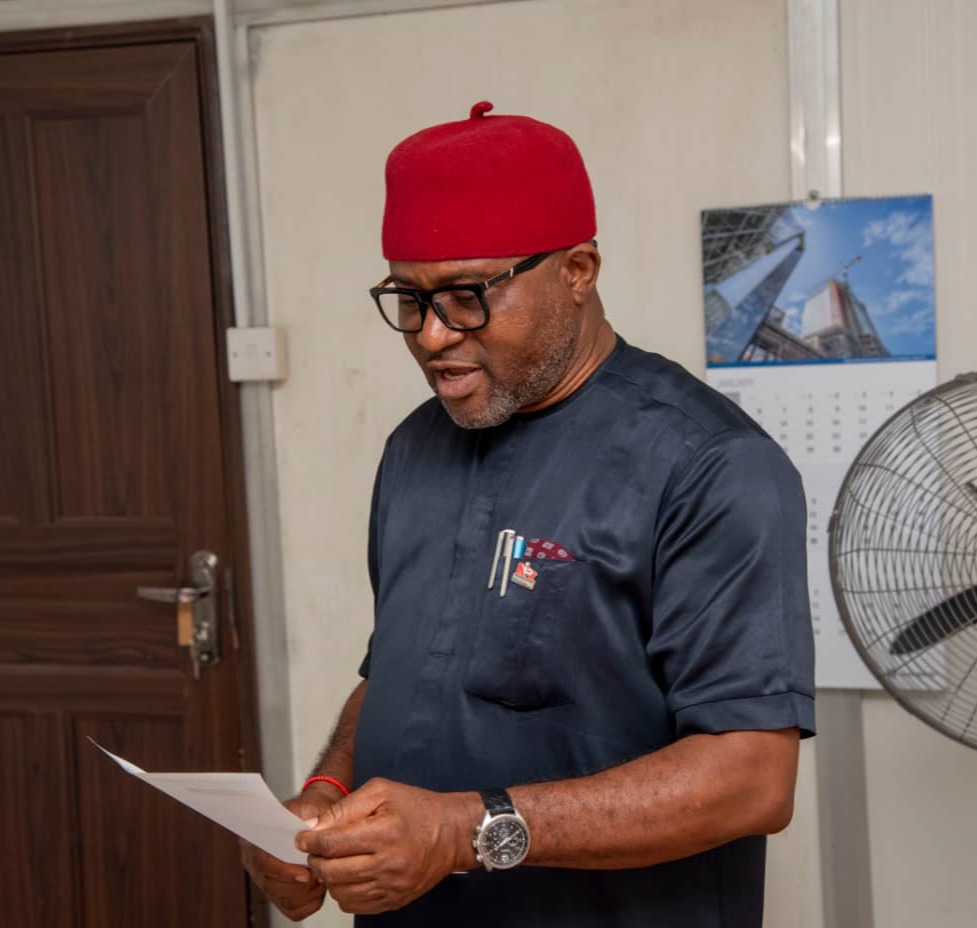
Speaking at the event, NIPR President noted that traditional rulers are critical stakeholders towards building a sustainable peace, taking advantage of their closeness to the grassroot to drive community relations which eventually cascade into the urban centres and the entire state.
Highlighting the role of effective collaboration among the traditional rulers in achieving and sustaining peace, Dr. Neliaku said partnership, trust and mutual respect must be seen as cornerstone for a more peaceful society.
While applauding the state governor, Sen. Uba Sani for initiating the Kaduna Peace Model, Dr. Neliaku said its strength lies on inclusive leadership and strategic communication, which he described as cardinal in building integration.
"We have to sensitise Nigerians that there is a model working in Kaduna. How do we transform this into a viable national peace response? That is something we have to do together as a people", he stated.
He expressed the readiness of NIPR to work with the states and Traditional Rulers Council to convene a National Forum of Traditional Rulers where some of the issues they have raised in the last two editions of NPRW in Ogun and Akwa Ibom states, then Kaduna will be made a national discourse.
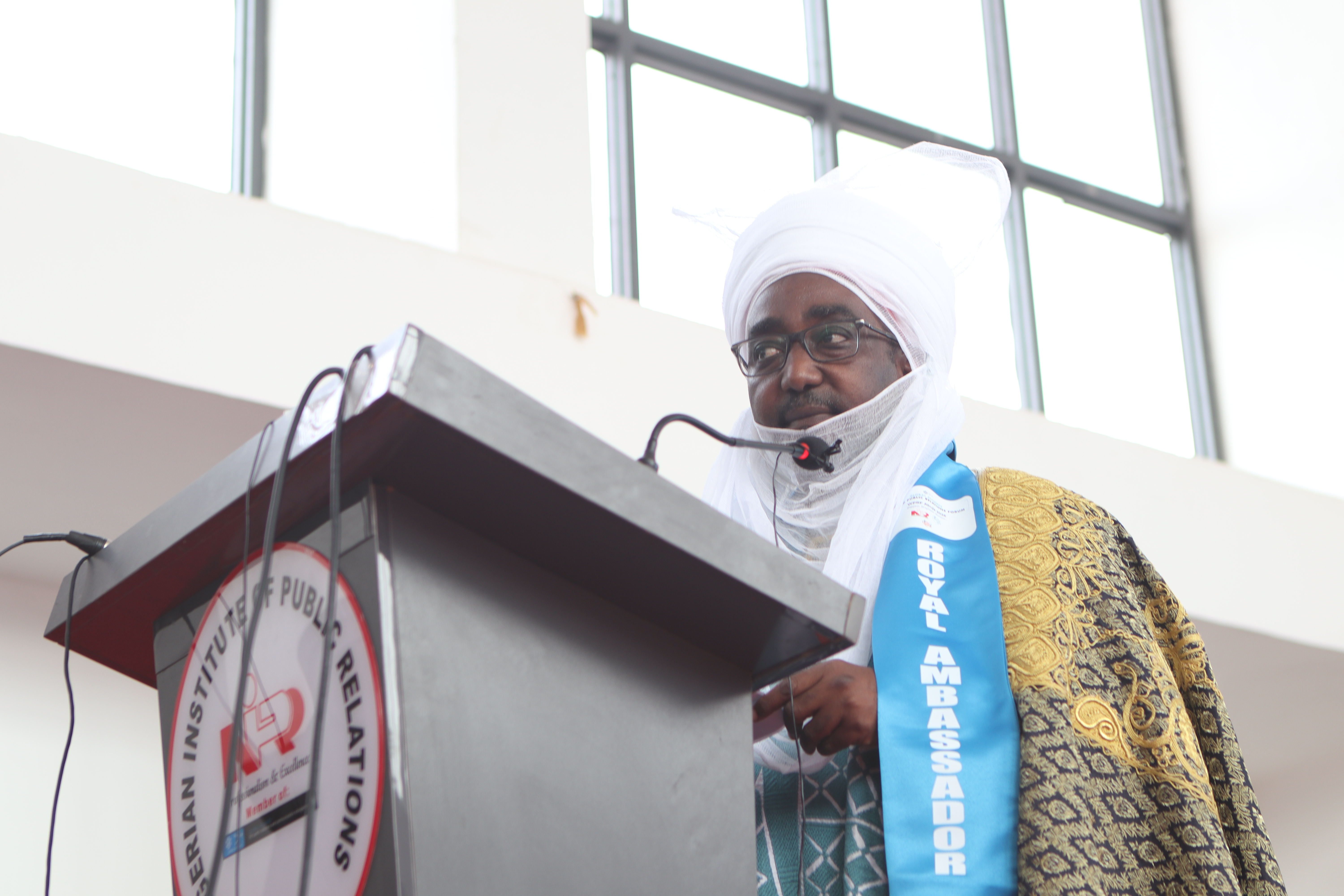
In his remarks Emir of Birnin Gwari, HRH Jibril Maigwari II said the traditional rulers occupy a strategic position as development intermediaries whose roles in sustaining peace cannot be over-emphasised.
Speaking on the topic “Traditional Leaders as Communication Anchors: The Architecture of Community Relations, Peacebuilding and Development,” the Emir cited Birnin Gwari experience, where traditional leaders have assisted in rebuild trust, facilitating dialogue, and countering misinformation during periods of crisis.
“The intervention of traditional leaders was fundamentally communicative before it was administrative. They restored dialogue, enabled culturally grounded mediation, and acted as early warning systems within their communities" he said.
Presenting the Kaduna Peace Model, the Commissioner for Information and Culture, Malam Ahmed Maiyaki, outlined critical roles expected of traditional leaders in consolidating peace across communities.
According to him, traditional institutions must also support early warning systems and conflict sensitive mechanisms to prevent escalation of tensions.
“The Kaduna Peace Model proves that security without humanity is insecurity in disguise.
"Dialogue, inclusion, and development remain the surest path to peace. In Kaduna today, the roads are open and hope is audible again" Maiyaki said.