NIPR Arms INEC with Strategy to Turn Skeptics into Voters Ahead of 2027 Elections
The Nigerian Institute of Public Relations (NIPR) has unveiled its homegrown Strategic Electoral Intelligence Framework to help the Independent National Electoral Commission (INEC) tackle eroding public trust and revive voter turnout, which has fallen sharply since 2023.
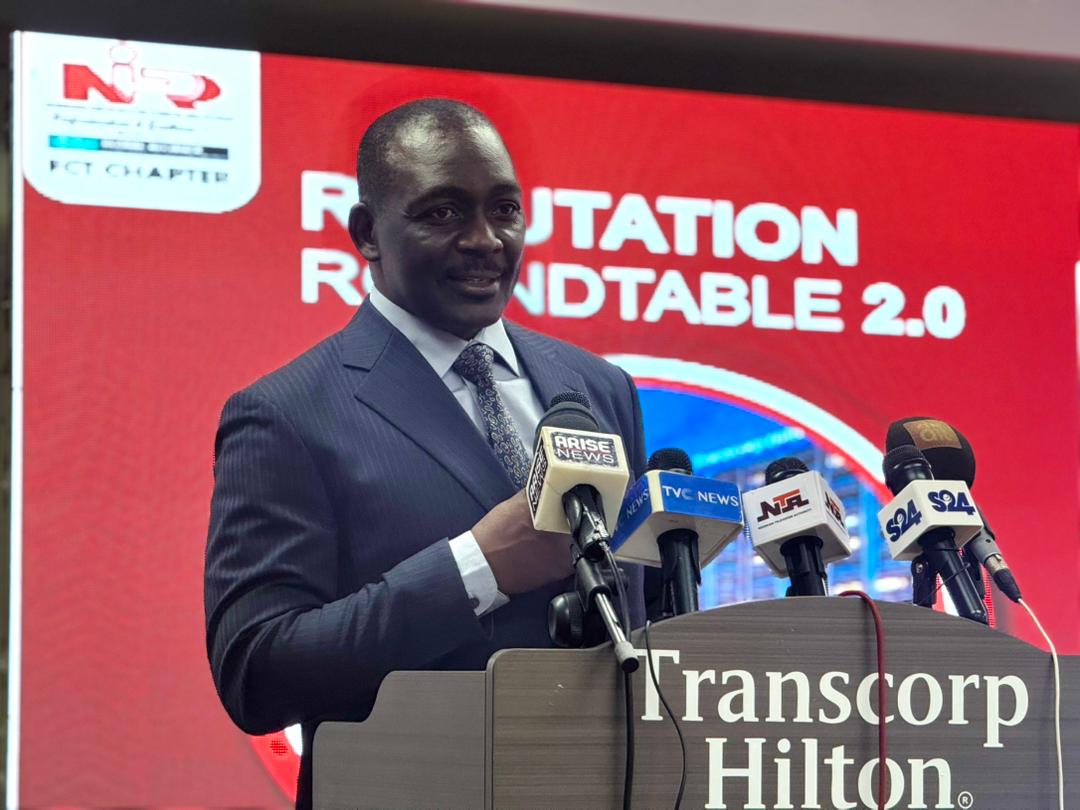
“This framework goes beyond technology, providing INEC with targeted insights and strategic tools to restore confidence, manage perceptions, and strengthen engagement across all stakeholders,” NIPR Acting President, Professor Emmanuel Samu Dandaura said.
Professor Dandaura, made the recommendation on Wednesday at INEC headquarters in Abuja during the Commission’s first-quarter consultative meeting with media executives.
Prof. Dandaura emphasised that successful elections are achieved not through technology alone, but through a holistic communication strategy that addresses credibility concerns and strengthens citizens’ confidence in the process.
“Unmet expectations from past elections have created a perception challenge that cannot be solved by technology alone. We need a deliberate communication strategy that restores trust and positively shapes public perception,” he said.
While acknowledging INEC’s progress in technological innovation during the 2023 elections, Prof. Dandaura noted that glitches during the process heightened public scrutiny and lowered citizens’ confidence.
“As an Institute, we are pleased that INEC is taking steps to bridge the trust gap that widened after 2023. Improvements to the IRev system address some operational gaps, but they cannot alone restore confidence. We must engage the minds of Nigerians and international observers whose past experiences have eroded trust in the electoral process. Ahead of the 2027 elections, a carefully designed strategic communication approach is essential to measure and manage public perception,” he explained.
Prof. Dandaura cautioned INEC against using propaganda to protect its reputation and outlined the Strategic Electoral Intelligence Framework.
The framework he noted will map low-confidence “Reputation Desert Zones,” provide region-specific insights, a National Electoral Perception Index, and dashboards to guide communication and counter misinformation. A three-wave longitudinal survey he added will track changing perceptions, enabling proactive, data-driven interventions.
Responding, INEC Chairman Professor Joash Amupitan commended NIPR for the initiative and expressed the Commission’s readiness to collaborate.
“I am confident this framework will strengthen INEC’s reputation through a homegrown dashboard that enhances our capacity to assess regional risk profiles, deploy data-driven messaging, and establish early-warning systems against misinformation. Such strategic communication will boost public trust and deepen the credibility of future elections,” he said.
Last month, NIPR, in partnership with Reputation Perception Services (RPS), unveiled the Nigeria Reputation Perception Index (NRPI) Report 2025, which highlighted gaps contributing to the nation’s low RPI score of 35.2, showing how electoral cycles significantly influence national reputation.
The consultative forum drew media executives from over 160 institutions, all National INEC Commissioners, the Secretary of the Commission, Mrs Rose Oriaran-Anthony, fnipr, Resident Electoral Commissioners, and other senior INEC officials.
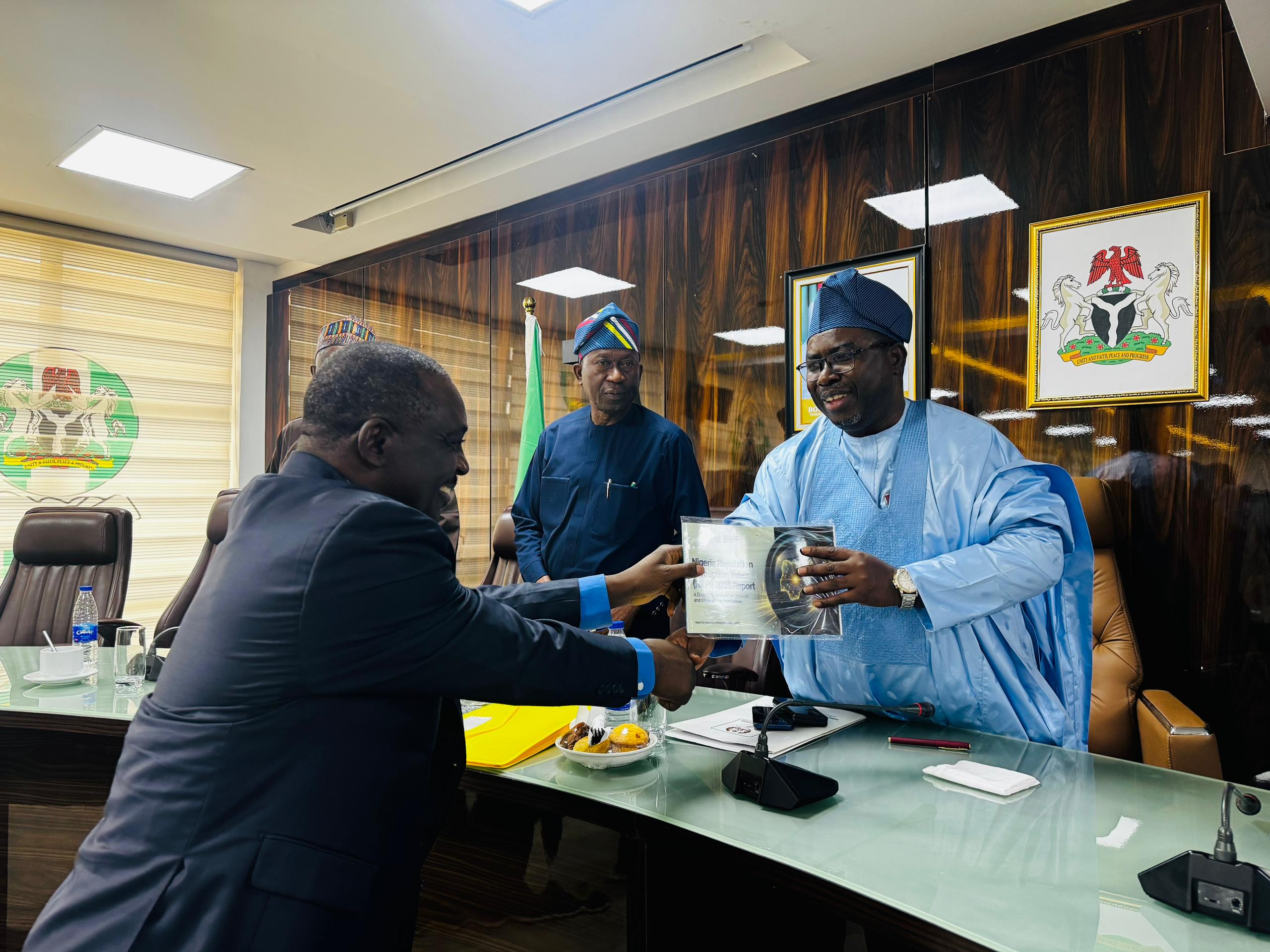
During the meeting, Prof. Dandaura presented Prof. Amupitan with copies of the Nigeria Reputation Perception Index Report 2025 and the Strategic Electoral Intelligence Framework document.